World Cemeteries
Cemetery in Koźmin Wielkopolski, Polska
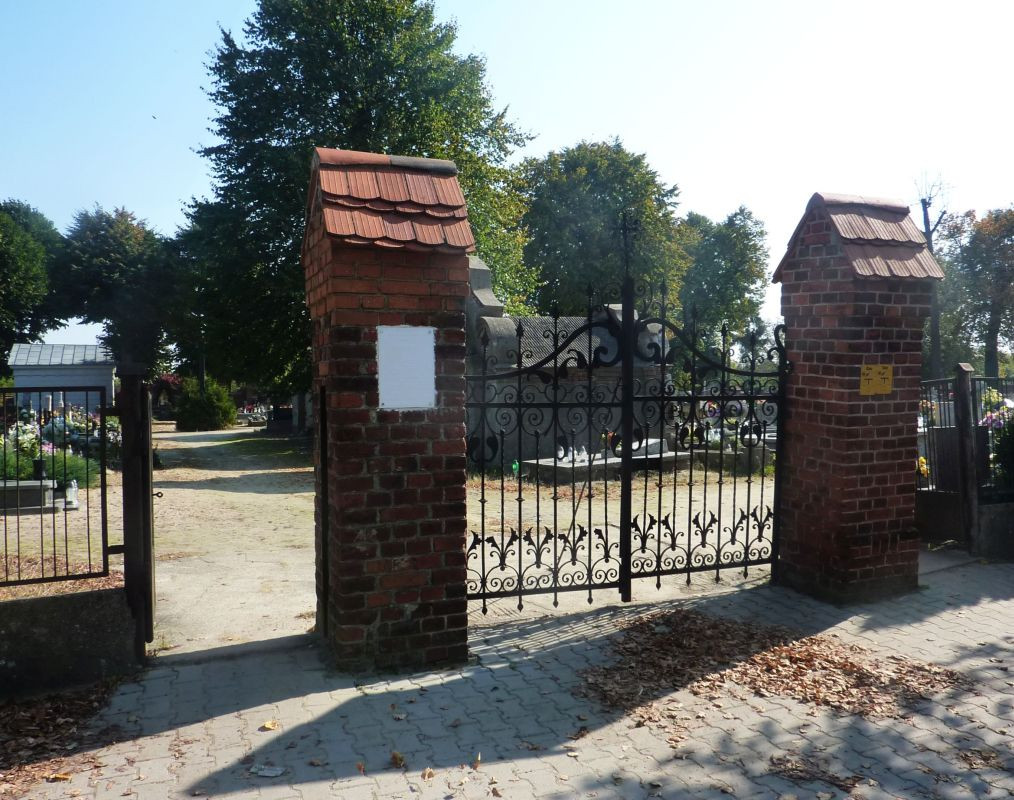
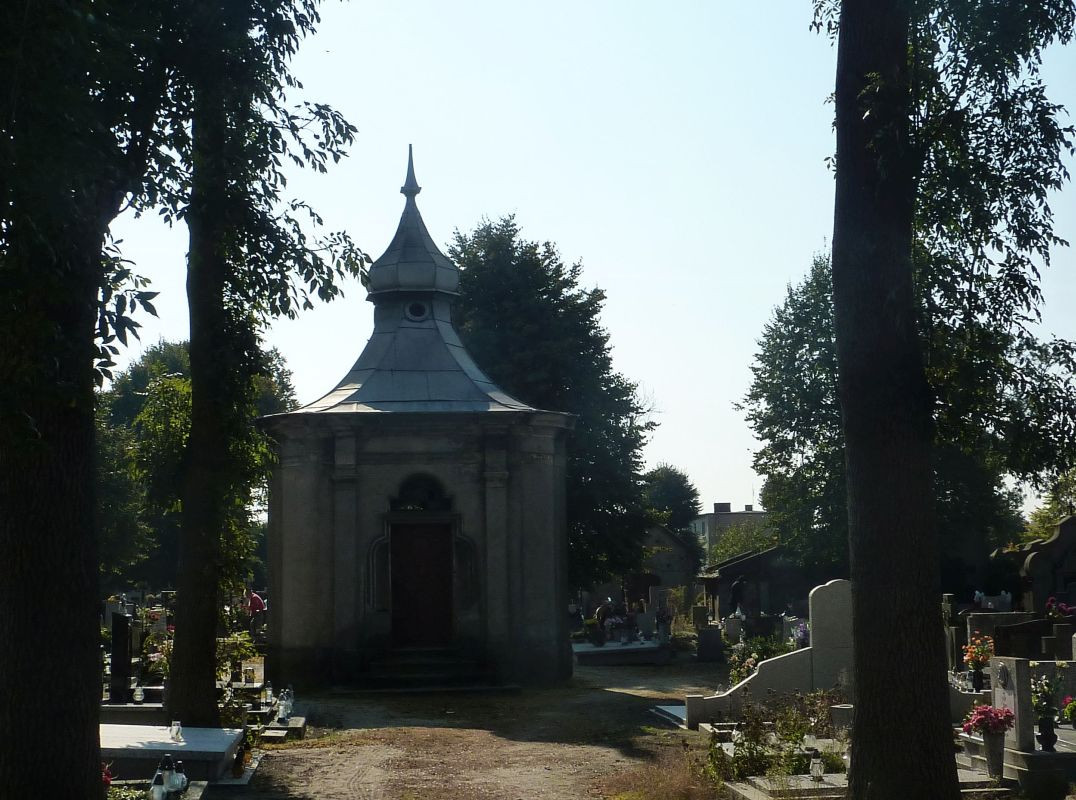
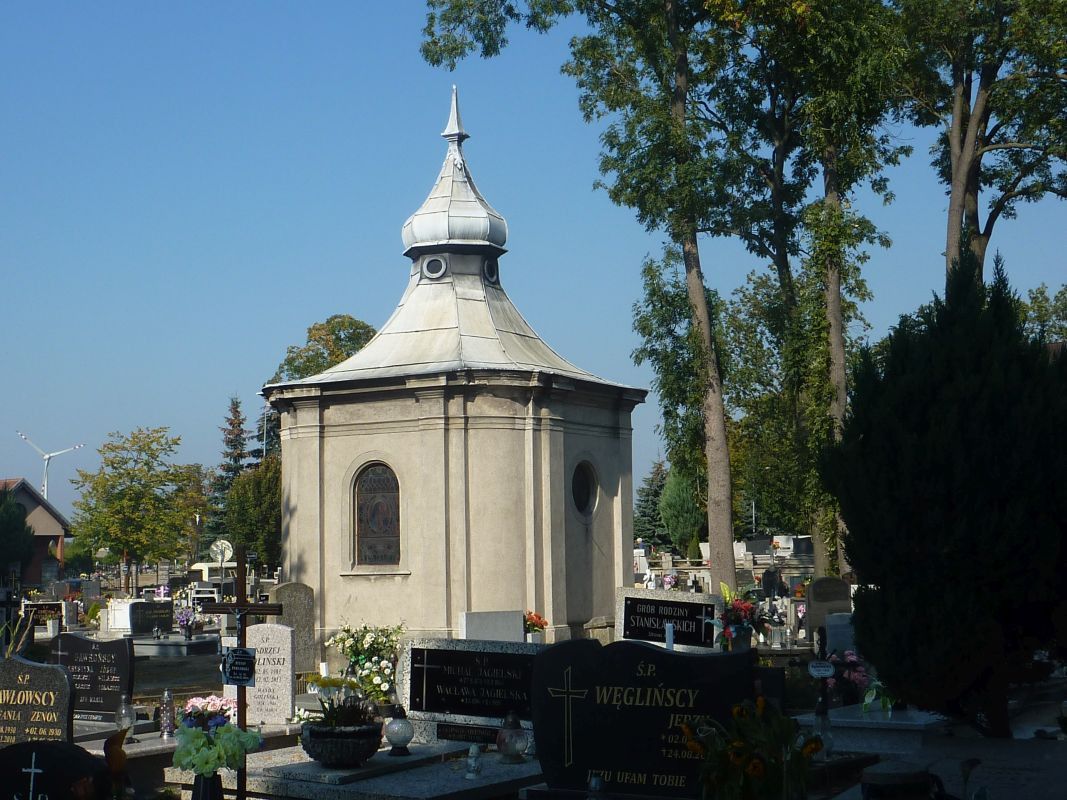
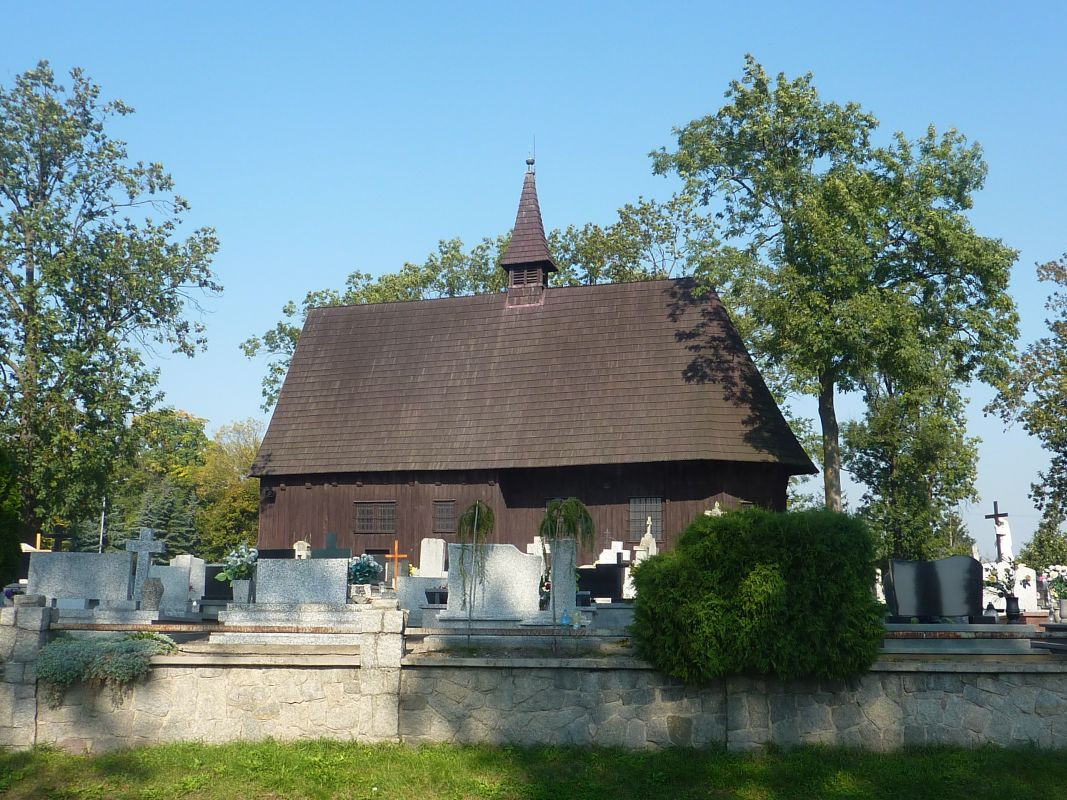
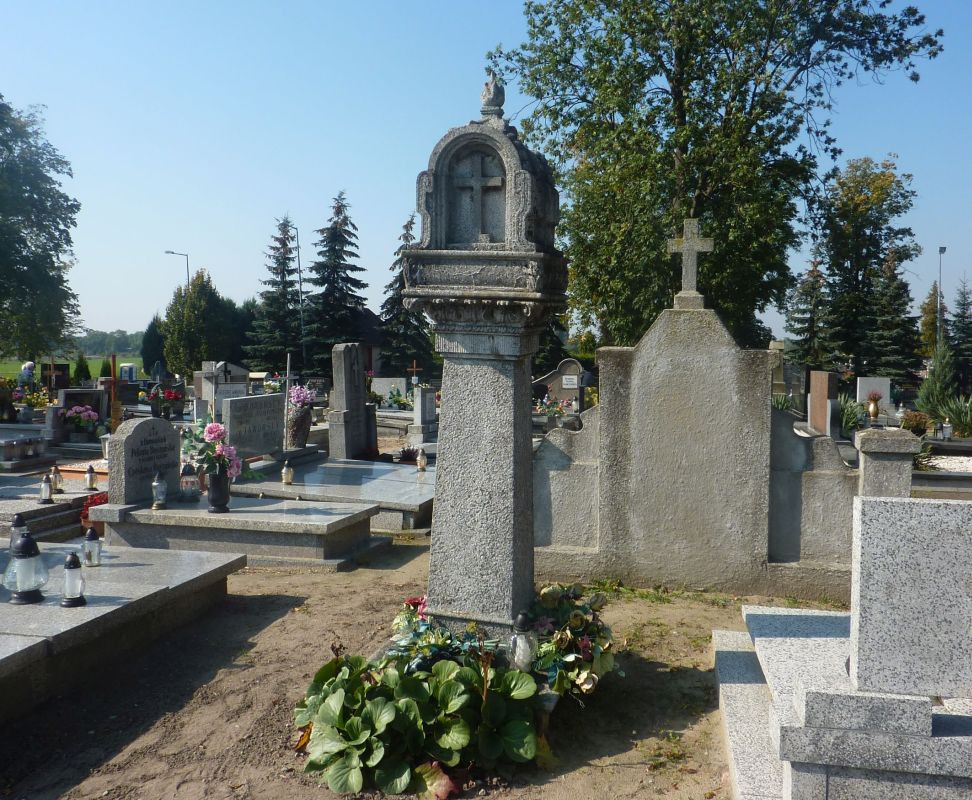
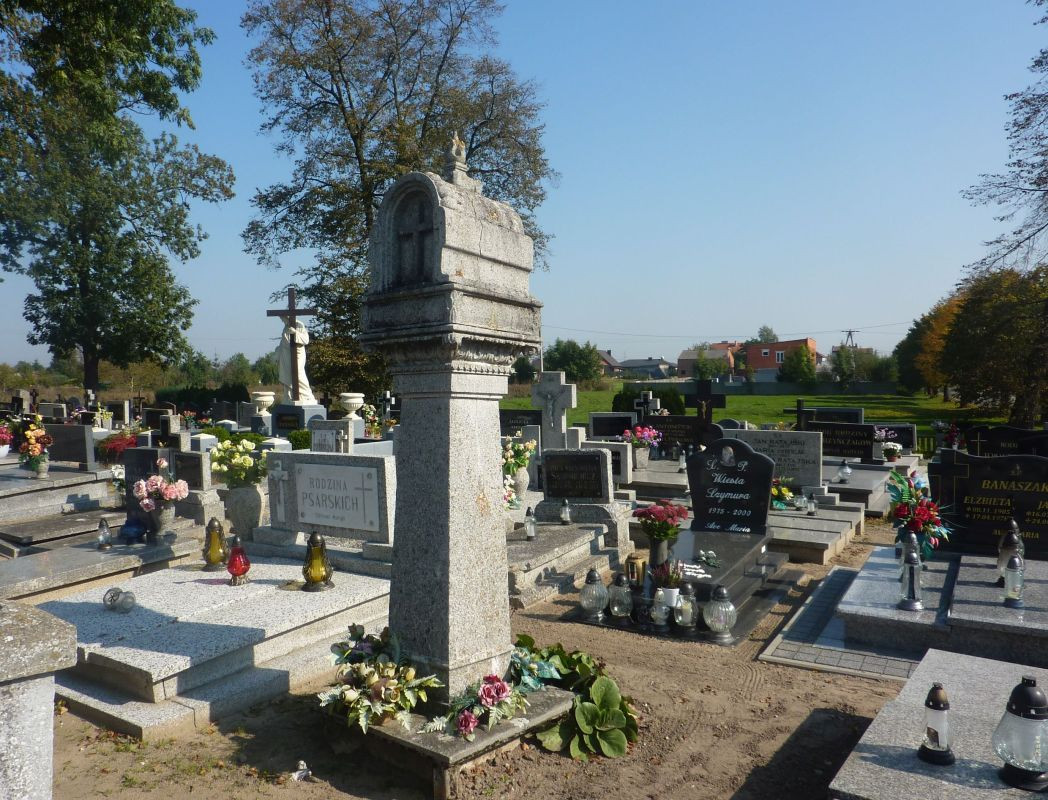
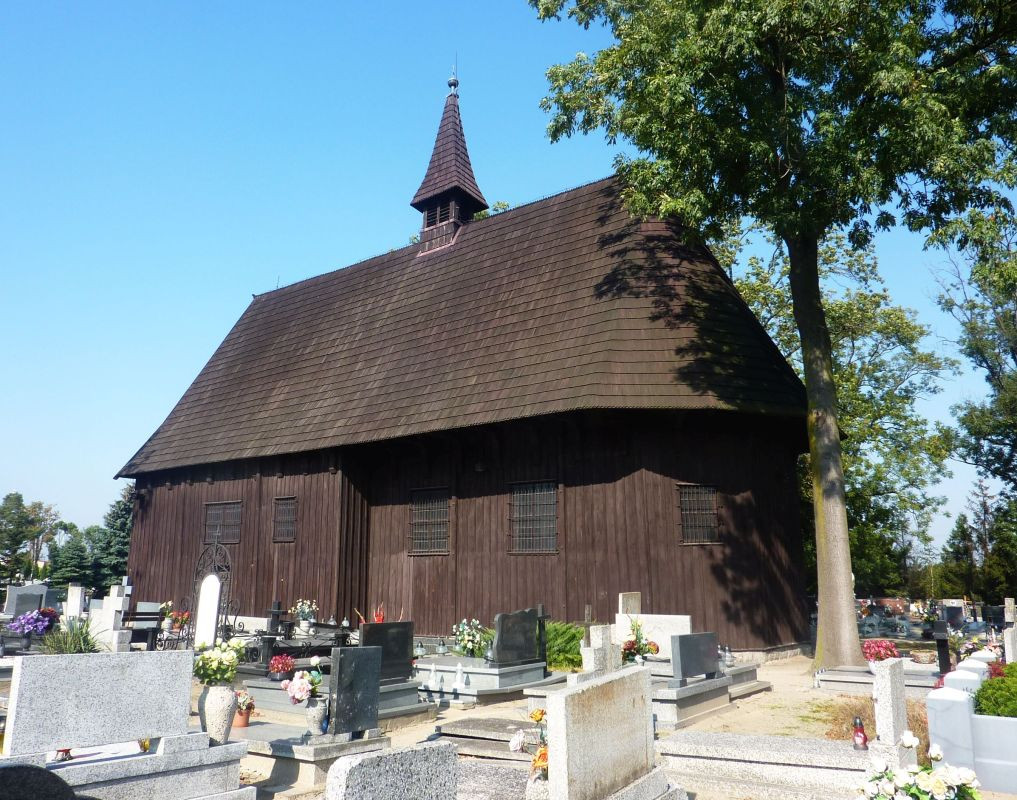
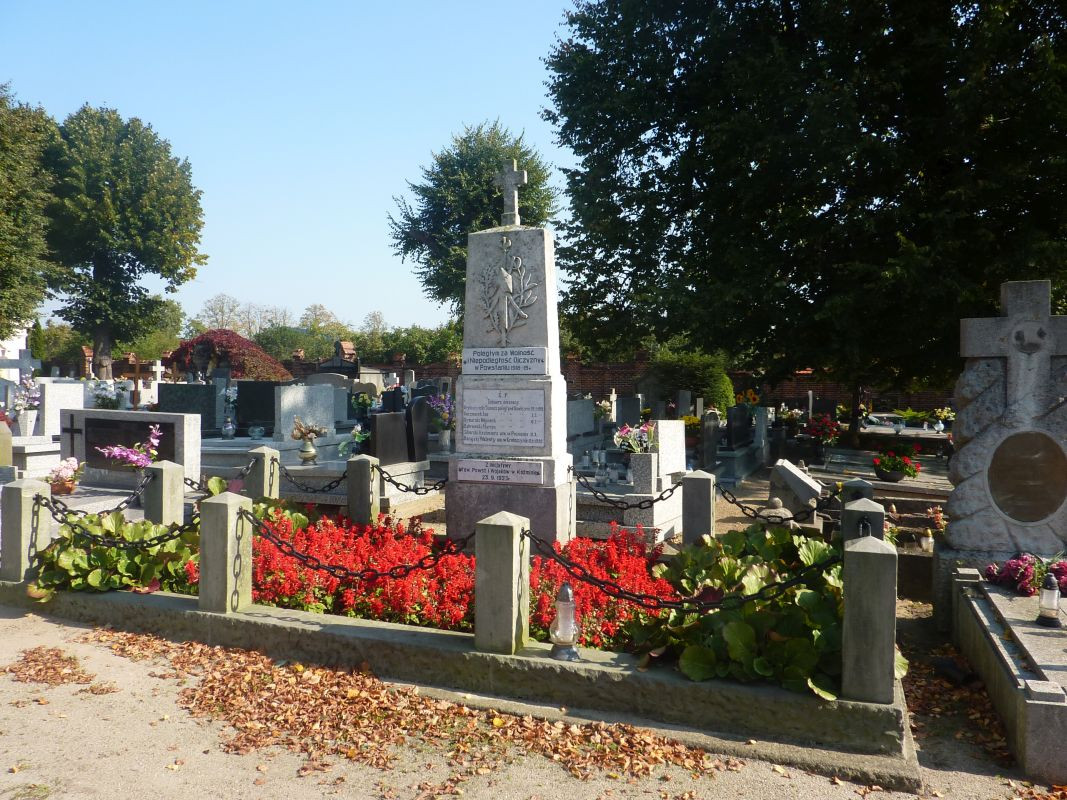
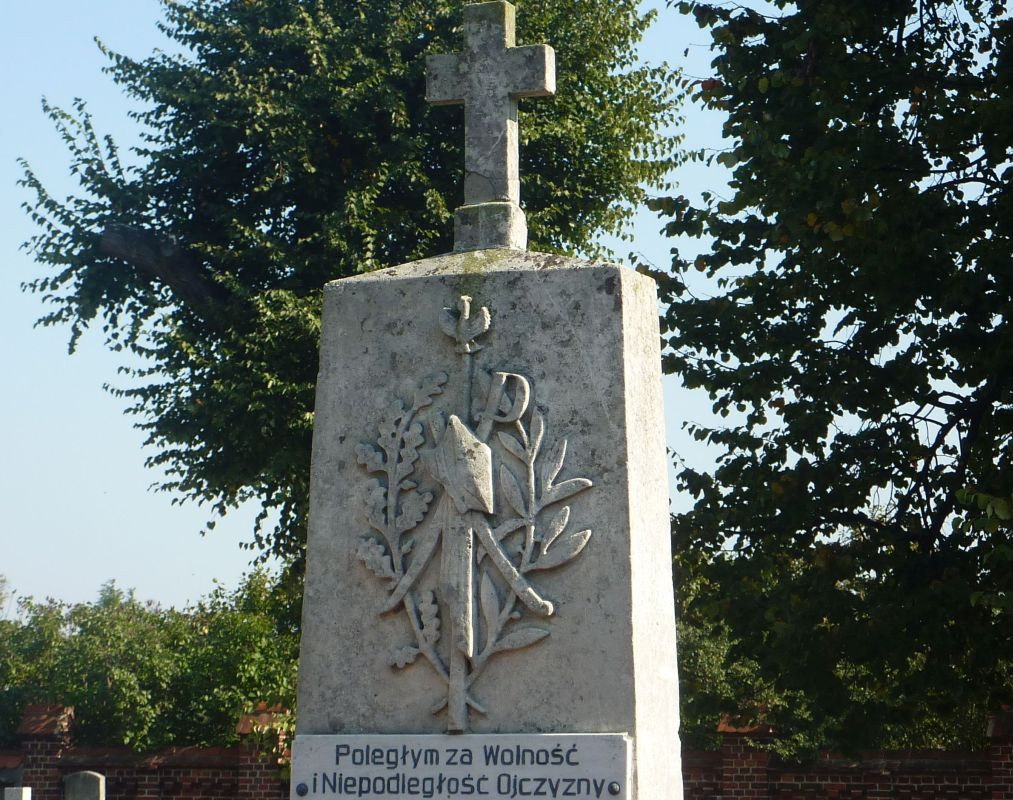
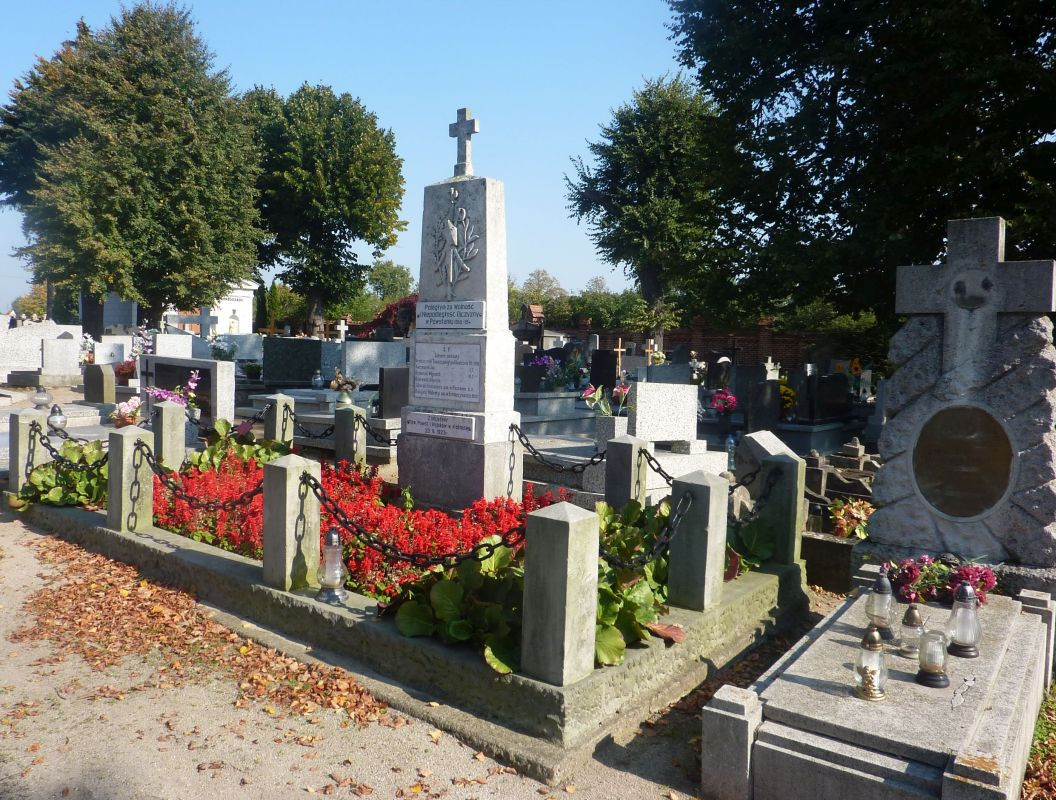
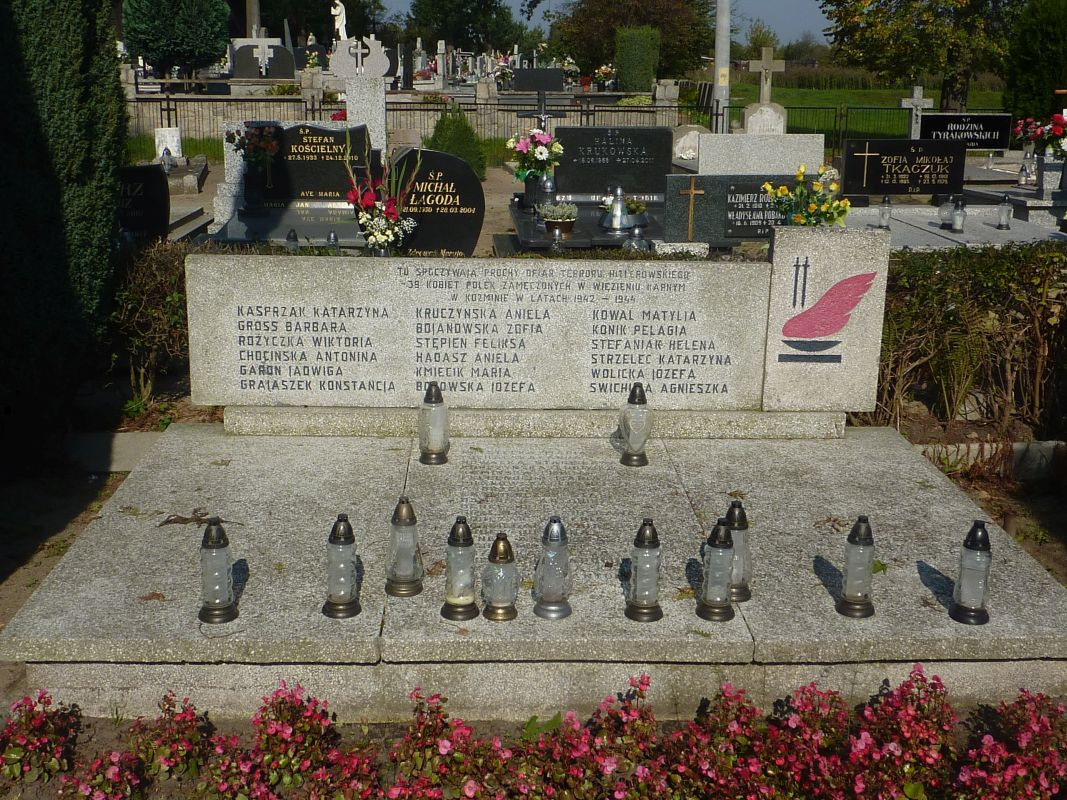
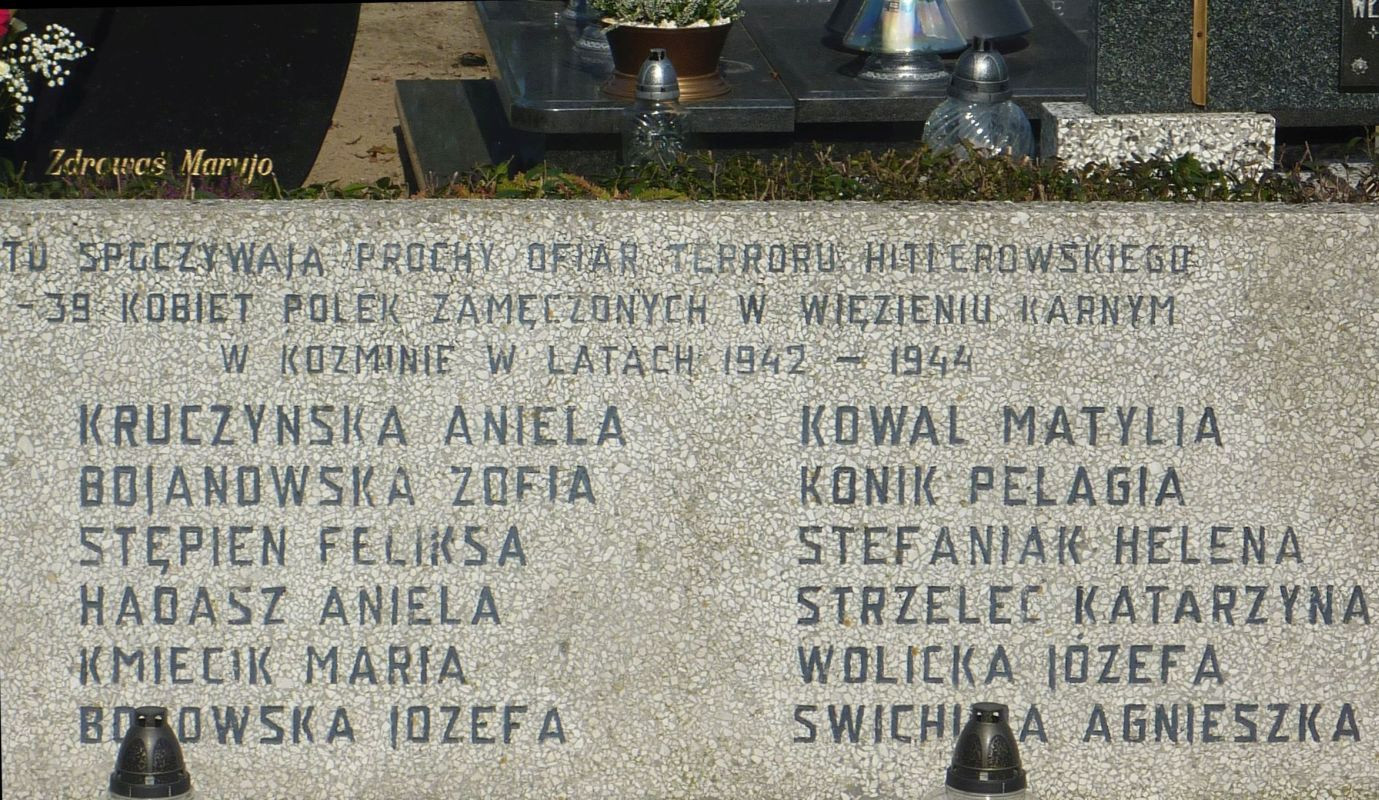
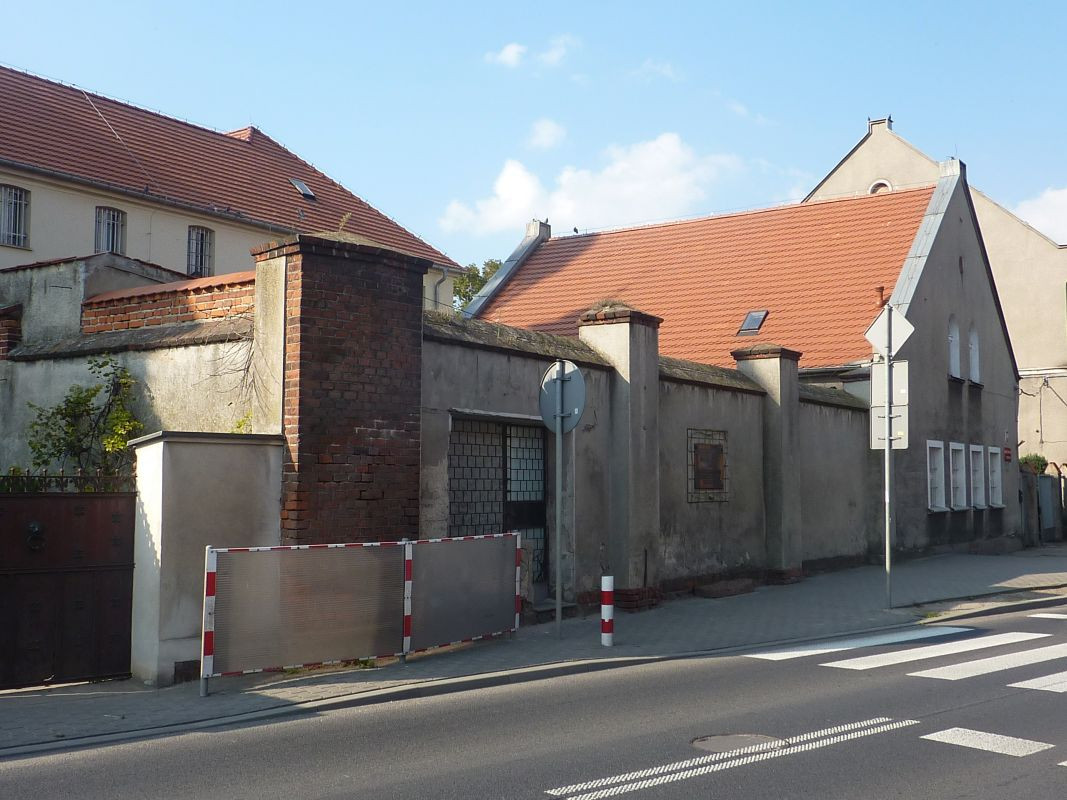
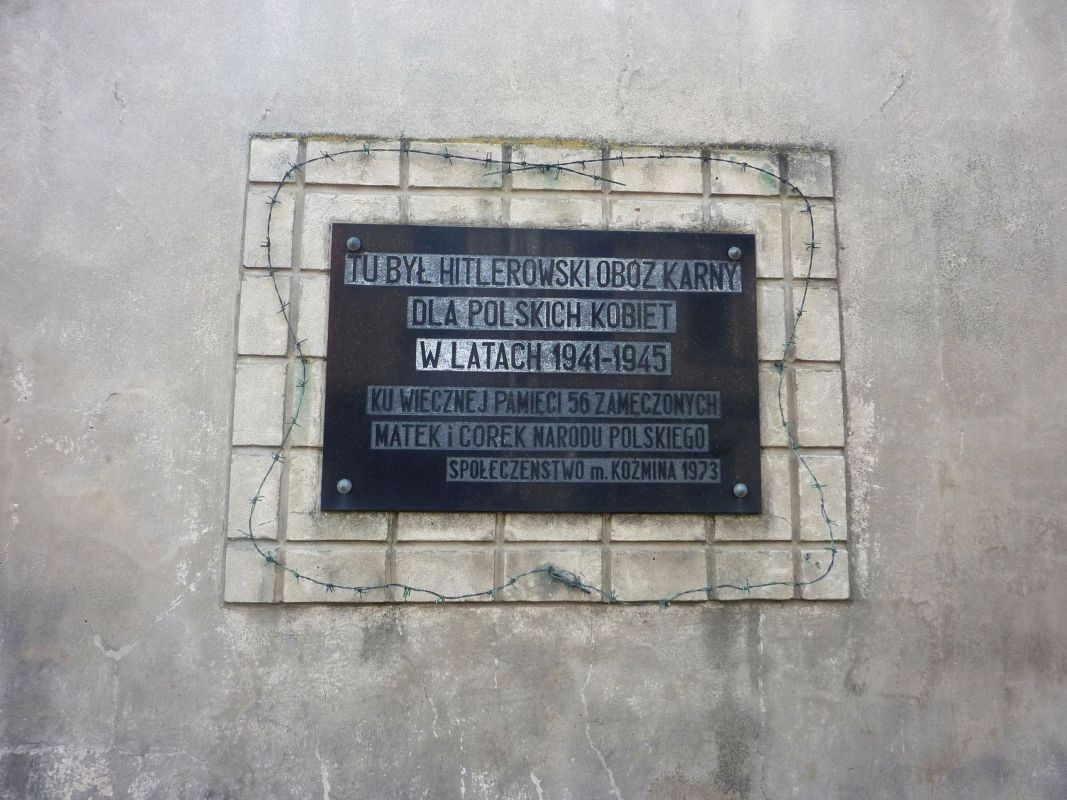
Koźmin Wlkp., Cemetery and church Koźmin Wlkp. Is a town in the Krotoszyn district, 15 km from Krotoszyn in the direction of Jarocin. In 2016, it is inhabited by about 13,500 people. In the parish cemetery, which is managed by the parish priest of St. Stanislaus Bishop and Martyr is the church of Holy Trinity which today serves as a cemetery chapel. There are three cemeteries around the church known as one parish cemetery. The church is surrounded by one cemetery. In front of the church, on the other side of Poznańska Street, there is another cemetery, probably the youngest. On the left side of the church, on the other side of the street, Fr. Goja is the third cemetery. There are numerous old tombs as well as the grave of the Wielkopolska Insurgents and 39 Martyred prisoners in the penal prison in Koźmin in the years 1942 - 1944. Today, in the former buildings of the penal prison for women there is a Youth Educational Center. Church of Holy Trinity in Koźmin stands in the parish cemetery. It is a wooden building erected in 1570 in the late Gothic style, which was later restored many times, most recently in the years 1971-1973. In 1570 it was outside the city limits. It was preserved by bishop Wojciech Tolibowski in 1657. It is a carcass construction type, timbered. It consists of one nave and presbytery. A sacristy adjoins it from the north. The roof of the building is made of shingles. There is a turret for a bell above the nave. Around 1720, the inside and outside of the church were renovated and probably then it was given the appearance of a baroque interior. From 1830, the church serves as a cemetery chapel. The usable area of the church is 165 m 2. In the main baroque altar there is a painting of the Holy Trinity from the end of the 16th century and St. Barbara from the 17th century. The side altars are Late Renaissance from 1720 and Baroque from the beginning of the 18th century. There are statues of saints 400 years old on the altars. On the walls there are commemorative plaques about the dead written in old dialect. The church was completely renovated in 1830 and 1970. The original interior of the temple has been preserved to this day.